
Over the centuries, The Banyan tree has taken on significance as a symbol of fertility, life and resurrection – a fitting symbol for ‘VoicesUnderTheBanyanTree’. This storytelling initiative reflects the heart of SEWA-AIFW’S mission: to serve, support and enhance South Asian family wellness. Voices Under the Banyan Tree shares the journeys of community members who have wandered far from their ancestral homes, traversing new frontiers and setting down roots and networks in the US. Through their stories of resilience, achievement and hope, we honor them, and celebrate the vibrant tapestry of the South Asian diaspora.
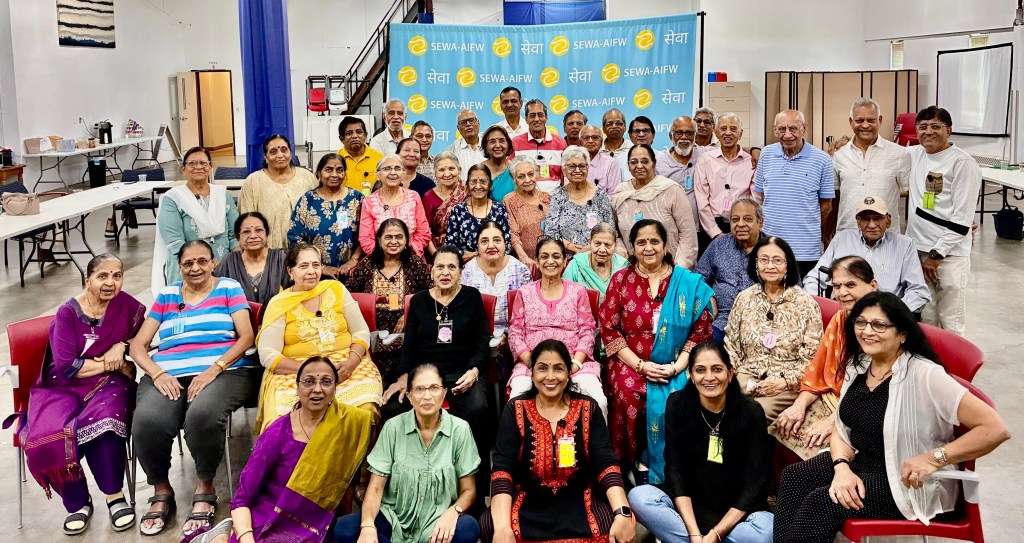
Today’s story highlights SEWA-AIFW’s Senior program, which is not only its second oldest offering, but also supports one of the South Asian community’s highest areas of need. The program has been designed to keep people engaged and ‘in’ the community as they are aging.
Anjuli Cameron – CEO SEWA-AIFW
Anjuli Cameron, CEO of SEWA-AIFW feels a deeply personal connection to the Senior program which she describes as “The Heart of SEWA”. Her maternal grandparents lived in Minnesota, and her grandfather’s work at the University allowed ample freedom of movement and interaction with others. However, her grandmother’s limited familiarity with English was isolating, especially as she aged. “It is this service to our community. All of us will age, and what it means to age in our community, has meant something different over time. In India it meant that you have a family, a village, a community that would take care of you, but with so many of us aging in America, we don’t have that same support network. Our families are still in India, and so we are here, stuck at home, don’t speak the language, and aging. And for seniors, that isolation and loneliness is not good for them”.
SEWA’s philosophy has always rested on its connection to the community. It’s not been about program growth, but fulfilling a need brought to, or perceived by them. The Senior program today is driven by a strategic agenda, with the group exposed to four different curriculums every Monday and Thursday. Anjuli says “If it’s the only thing they do that week it’s very impactful, if it’s one of the many things they do that week it’s a value for their time and a bang for their buck’. For the SEWA staff and volunteers who manage this program, it’s a passion area, requiring lots of patience. The seniors are a high demand group. They call and ask the same questions week after week, though the agenda remains the same. They want human contact and to talk to someone. The ‘Young @ ❤️’ What’s App connection is critical for them. They can stay engaged with their friends all week till they see them again, and these real friendships that have been developed drive away the isolation and loneliness!
The Imperative
South Asian professionals emigrating to the US in the 60’s and 70’s brought their aging parents with them. Many of these seniors, were non-english speaking, unable to drive and get around on their own. There were also complex dynamics around relationships with adult children, a crunch arising from traditional values and expectations of taking care of elders, in the same way they would have been taken care of in India. But the pressures of life in modern US society made it difficult to support that system. Adult children grappling with full time jobs and raising children involved in multiple activities, made it impossible to take time off to care for parents, causing heartache and disappointment from this clash of cultures. For many it was not feasible to have parents living with them, plus many parents were further along on their care needs, so children moved them to the best nursing homes they could afford. For others who continued to live with their children, they felt a lack of respect and total isolation.
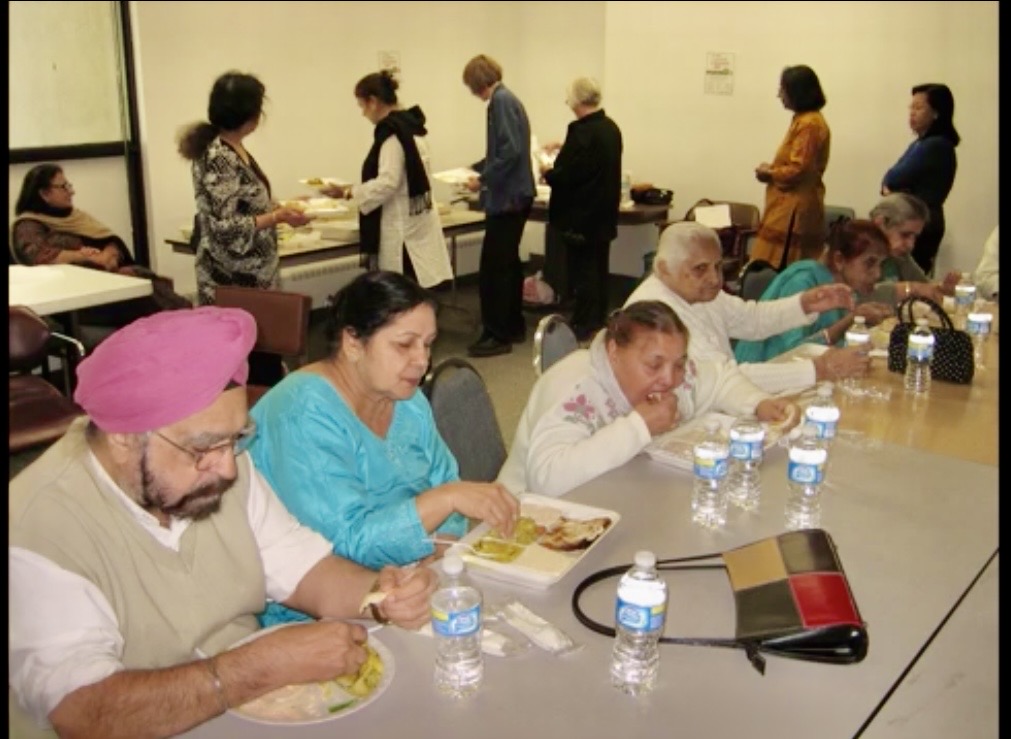
One nursing home, in South Minneapolis had a concentration of South Asian seniors. Raj Chaudhary, SEWA-AIFW founder held social events in the property’s party room, entirely supported by volunteers. Indian food familiar to and appreciated by the seniors was brought in, and activities were planned to help them stay mentally and physically energized. The Senior program was particularly important to get them out of their homes, from watching the same TV serials every day, and have them engage ‘IN’ language with like minded people.
Much of SEWA’s core programming 20 years later is built around those early days of the Senior program: the annual summer picnic; and the volunteer appreciation event in the Fall, bringing seniors together for a luncheon at India Palace in Roseville. At the annual GALA in 2025, many seniors celebrated SEWA’s contributions to their lives as guests of SEWA.
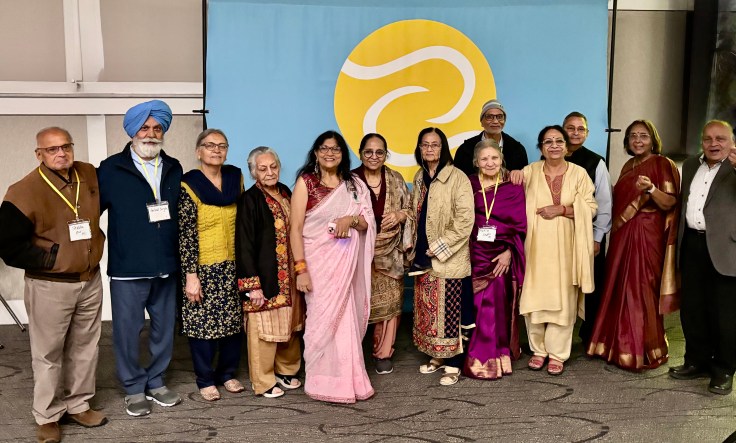
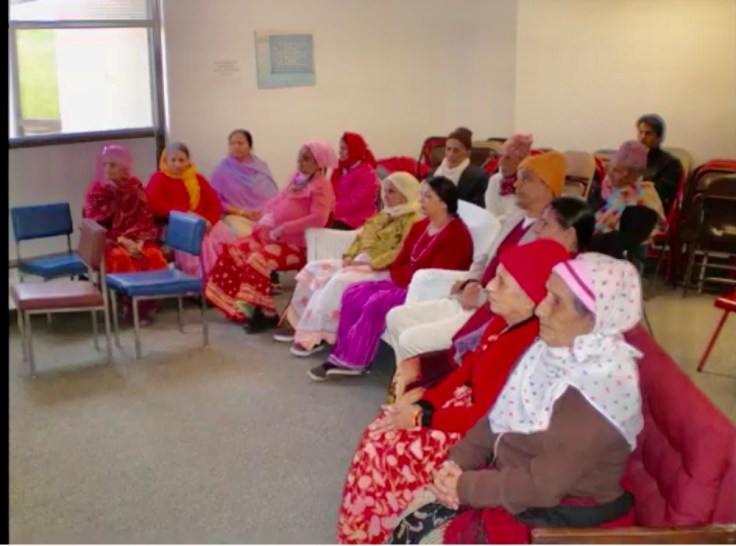
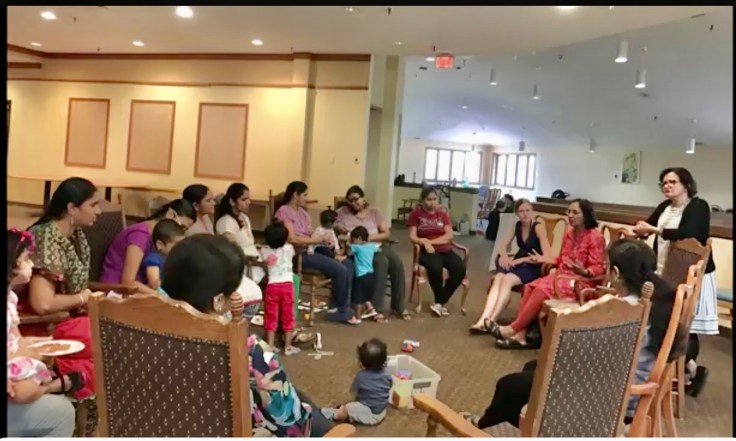
Today, the Senior program serves individuals who came to the US and worked, and are now retired; seniors who live with their children, who out of a sense of duty and deep love take care of their parents and bring them to events; and those who live alone or in group homes. The one thing in common: they want to be a part of their community, socialize and speak their language as opposed to just going to the YMCA or their local senior center. Many of them started with SEWA when they were younger, and have aged with the program in their final years.
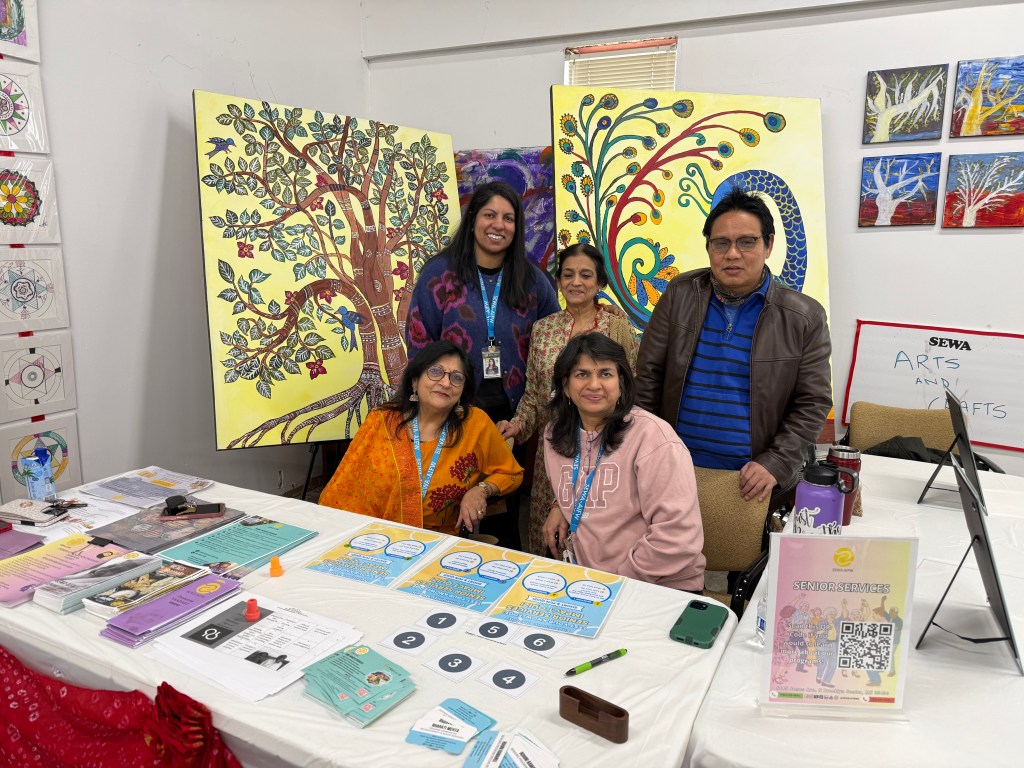
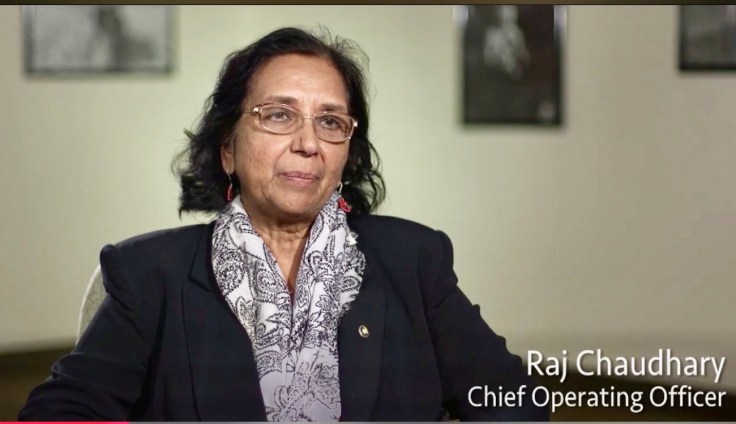
Raj Chaudhary – SEWA Founder
Raj succinctly describes the founding SEWA mission, still applicable 22 years later: “SEWA is a community based, non-profit organization that serves the underserved, vulnerable populations of South Asians in a culturally specific way”.
The first SEWA meetings were held in her house on Danube avenue in Fridley, MN. At the time, Dr. Mohini Giri, chairperson of the ‘Guild of Service’, a New Delhi based advocacy organization for women’s and children’s rights, and a Padma Bhushan recipient, was visiting Minneapolis. Meeting Raj and learning her vision for SEWA, she urged an immediate inauguration of the organization in Raj’s basement, followed by an opening ceremony at Century College, attended by 60-70 South Asians. Founding Board member Lois Herman, a human rights lawyer, helped register SEWA as a non profit entity, and Raj’s husband Dr Surendra Chaudhary drafted the original paperwork and Bylaws, .
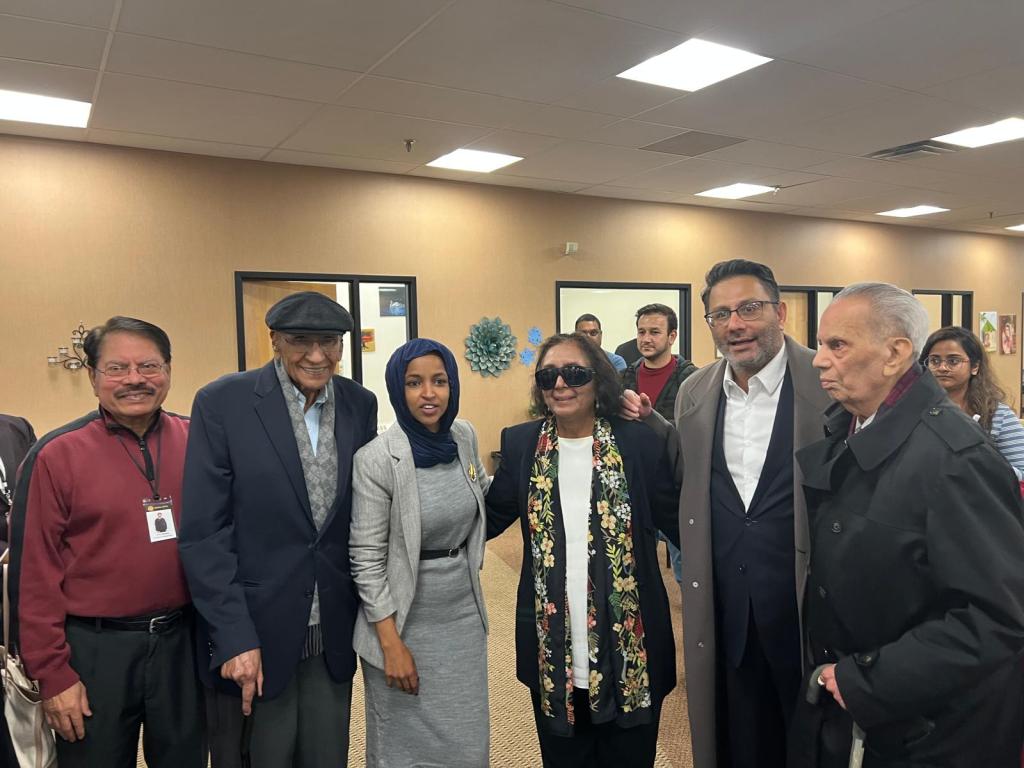
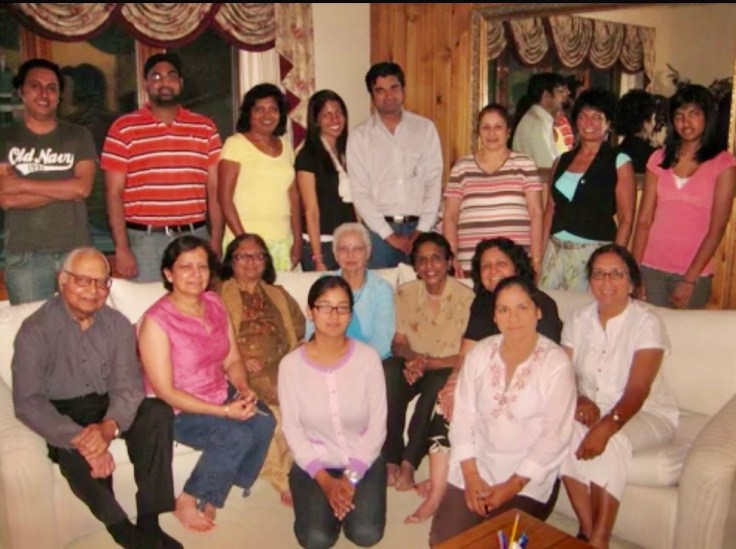
Initially there was no funding, and Raj had to beg and borrow money from board members. She tapped into community resources for the literature, and many physicians generously shared their knowledge in lieu of working time. After many struggles, and early years of constant advocacy, Raj was the recipient of grants from different organizations. This funded her work on the Senior program and other initiatives. “I was flying on a cloud. These people have recognized me and the need in my community”. To give SEWA shape and heft, Raj rented office space from the Hmong group, and benefited from using their resources, in the areas of transportation for the seniors, printing material etc. She established a strong footing in the API community, and gained credibility and recognition through her collaboration with them, helping her ongoing fundraising efforts. Eventually, with the help of a consultant, she got a grant for $25,000, enabling her first part time hire, and setting up SEWA to be what it is today!
Raj credits the interns from the Humphrey Institute, multiple volunteers, in particular Neelam Singh and Yasmine Mehrotra, Ekta Prakash, SEWA Board Chair for a period of time, and all the help she got from CAPI, including the Lake Street office space, for the early success of SEWA and the Senior Program.
SEWA would assemble at 1515 Park Avenue South, where seniors lived for 15 or more years, rent the party room, cook meals and serve the seniors food from home. They made the lives of residents such as Pritam Kaur Arneja, fondly known as ‘Chaiji’ and ‘Papaji and Mrs. Sodhi”, happier and joyous with their visits and outings to picnic grounds and events.
Raj says the need is still there more than ever: “ My dream is to find a place for our South Asian seniors, where they can be helped in the old way. We need our own assisted living, our own food, our own services, our own culture! To serve the underserved”!
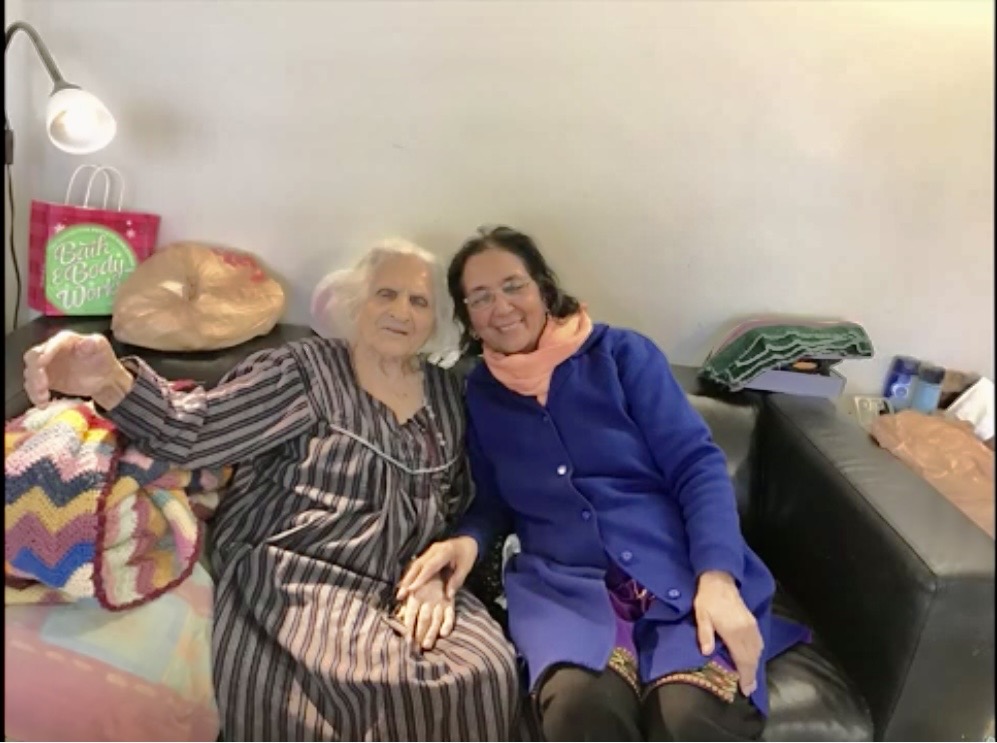
Shekhar Alluri – Director of Operations
Shekhar has been the Director of operations for SEWA for the past two years, supervising the Senior Programs, after serving for many years as a volunteer and Board Chair. “The Senior program is the most fulfilling program I have been involved in, and I feel so blessed to be a part of it. When I work or help the seniors, I feel I am helping myself too”.
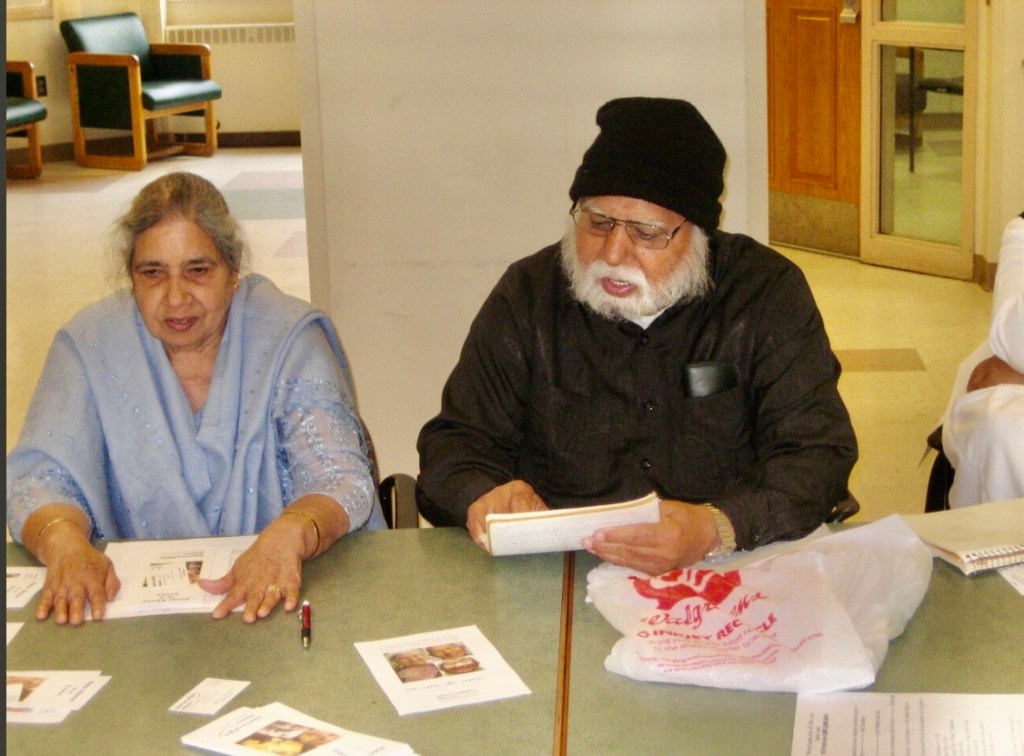
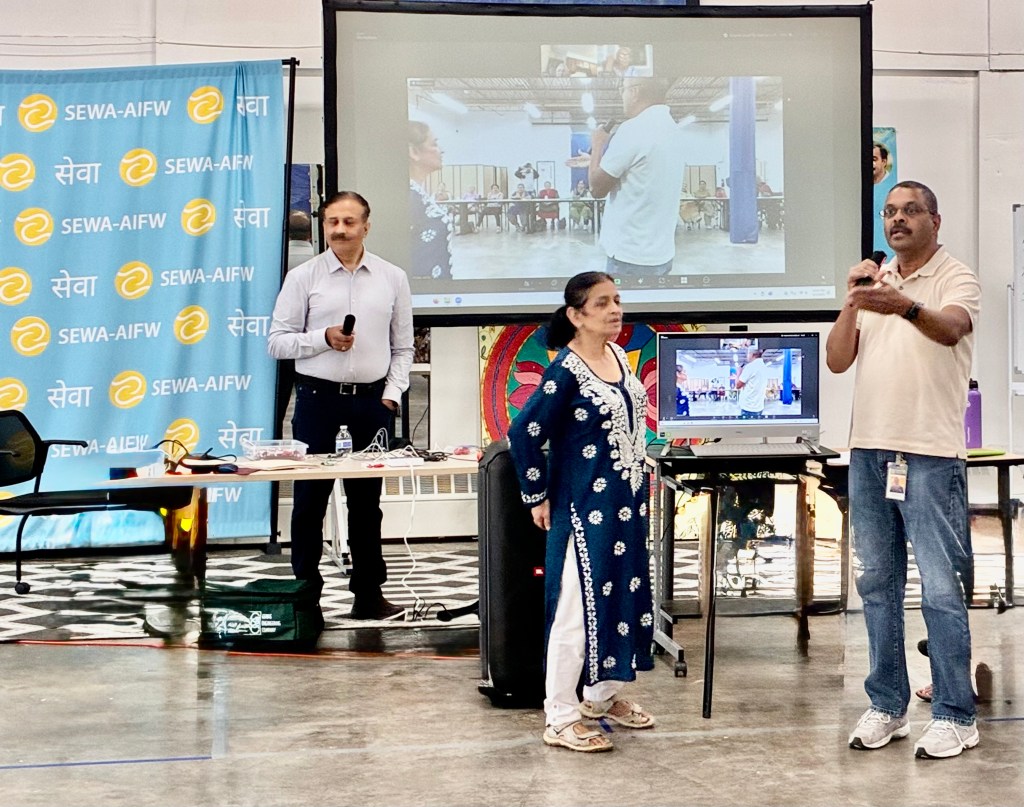
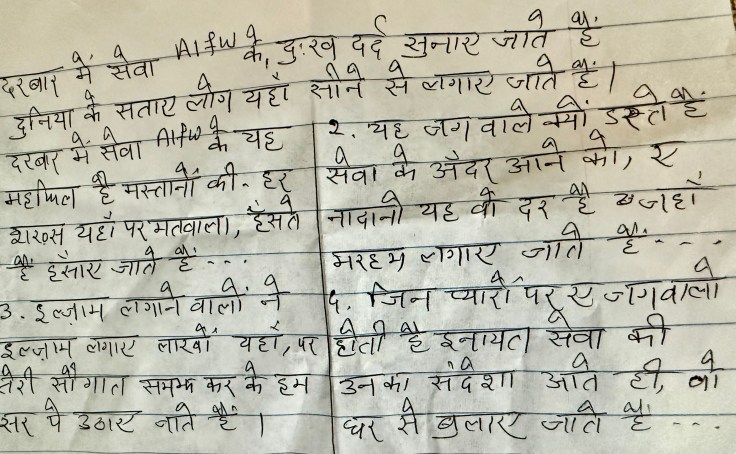
Helping to build a community for the seniors has been key for Shekhar, providing a space where they can socialize and interact with their peers, share their existence, and have access to resources to lead quality, happy and successful lives. One of Shekhar’s goals, has been to formalize a structure that provides a mix of fun and educational programs, such as ‘Share and Learn’, offering the seniors opportunities to showcase their abundant talents in singing, writing and poetry.
The goal is to make seniors feel they are a ‘part’ of the program. Their feedback is constantly sought and utilized to shape the agenda. “It’s not Sewa saying this is what you need to do. It’s not one way. It’s what the seniors want, and it’s for you all, and what you are going to get out of the program”.
Senior Social Program
The saying ‘It takes a Village’, originates from an African proverb, that conveys the significance of a collective community in nurturing children. It’s use is fitting to the SEWA Senior Program, as it has taken, and continues to take a cohesive, bonded community of volunteers and staff, to manage and support the seniors cultural and social welfare.
Senior’s Testimonials (translated from Hindi)
Sharad Parnerkar: “I have been coming for two years and have noticed a very positive change from attending the SEWA meetings. They have given me a social life. They have improved my fitness with exercise programs and this has helped make my diabetes regular and in control. I can talk about what’s on my mind and share my thoughts. I really appreciate coming here. Everyone takes care of us in a loving way. We come regularly. I am at peace and happy when I am here with my Indian friends!
Amarjit Kaur: “I regularly attend every Monday and Thursday. We get so much knowledge: exercises, yoga. We feel very happy and to be together. We wait for Mondays! I know everyone, but some of the people are closer to me. We bring food if we want. There is no compulsion. I live alone in a building with very few Indians, so the SEWA gatherings are wonderful. I have a younger brother in Shakopee and my sister-in-law includes me in everything”.
Balbir Kathuria: ”SEWA is everything for me. It gave me new life. Without SEWA I can’t live! It’s helping me in everything: in cleanliness, in my family life. I have been coming from the beginning, from 2004 with Rajji in 1515 Park Avenue, where I lived at the time. We were not meeting regularly, every 1-2 months. Sometimes we would go for picnics and to restaurants. Now it’s a full program, every week. We learn so many things”.
Gurnam Kalra: “There were fewer people, 15-20 people when we met at 1515 Park Avenue from 2004 on. We discussed medical and other problems when you first came from India and how to solve them. They would help us when we were ill. We did not like American food but they brought our kind of food. I live alone, so coming here is very special because I meet all my friends and participate in meditation and cultural activities. One whole day goes by fast on Monday and then we can also see each other on Thursday on Zoom”.
Ved Dewan: “The best thing is we meet people, we learn so many things over here and everyone is very helpful. They teach us different day to day activities, medical, fitness, balancing i.e. how to walk in the snow. I have made many friends. We share our backgrounds, where we come from etc”
Sarla Arora:
Today Rohini Ramanuj and Bharati Mehta co-lead the twice weekly sessions. They are supported by Ruth Sebiyam, ‘Homemaker to the Seniors’, who supervises the Monday food offerings, Srividhya Srinivasan as the Program Administrator, and Anil Gurung as transportation lead with active support from Omid Yaqoobi. Past volunteers and staff, have included Kamala Puram and Juveria Tasneem.
Rohini Ramanuj – Co-Lead
“My passion is helping people”.
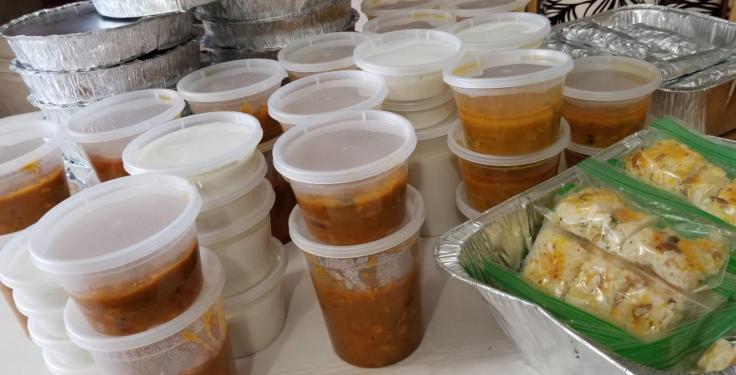
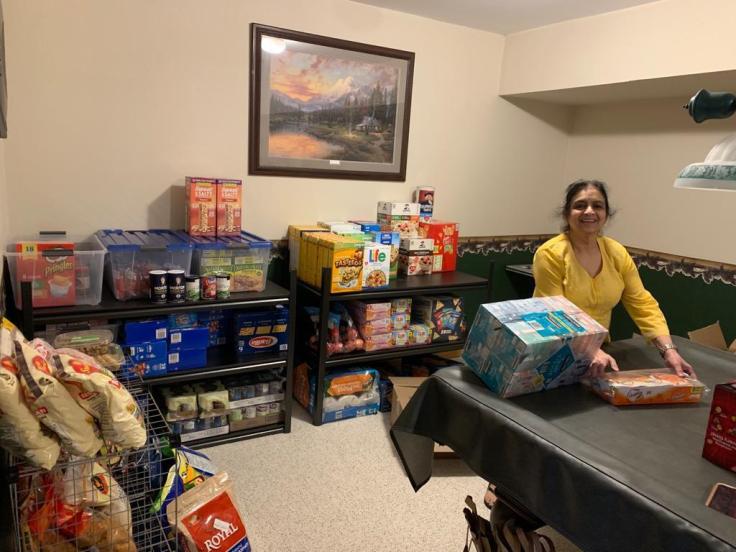
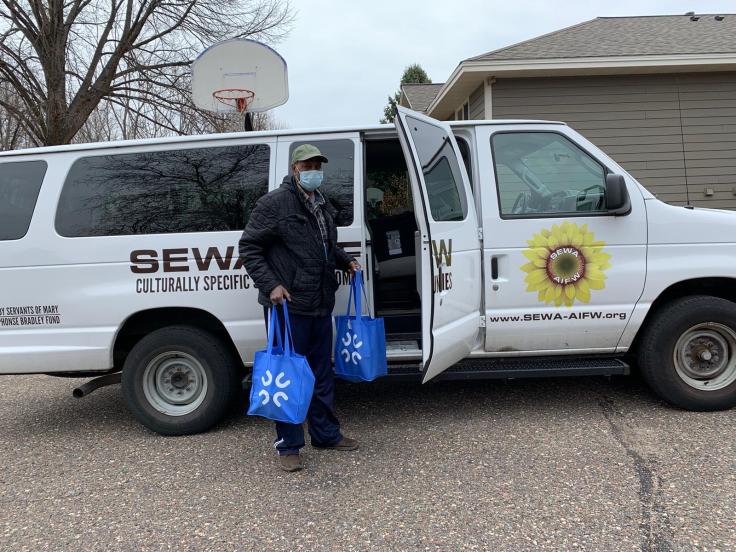
Rohini came to the US in 1985 to join her husband with her four year old son. After 21 years in Wisconsin, she moved to Minnesota, volunteering at the Hindu Temple as ‘Food Chair’ where she met Raj Chaudhary. The latter helped Rohini with her respite care needs through SEWA, the relationship evolving to Rohini joining SEWA in early 2020, where she worked with an 8 person team at the Lake Street office. The office soon closed with COVID restrictions, but SEWA continued their Meals program from Rohini’s home. Her 3 car garage became food central, and with the help of 10-12 volunteers, they delivered 250 meals a day on 7-8 Twin Cities routes. The program involved a lot of work, as groceries accompanied many meal deliveries, and had to be sorted for freshness and vegetarian items. “My dining room was my office, the basement was my grocery store and the garage was meal packing and freezer storage”.
The free meals program managed by Anil Gurung on Tuesdays and Thursdays, is ongoing today, and is a member of Meals on Wheels America. Many seniors benefit from receiving culturally specific vegetarian food delivered to their homes.
Bharati Mehta – Occupational Therapist & Co-Lead
“I love to work and provide my services to seniors/older adults, and now in the South Asian community”.
Bharati came to the US in 1975 through a Labor Department initiative, as a fully qualified occupational therapist, to a small town in Massachusetts. After early hardship years, Bharati and her husband Rajnikant settled in Minot, North Dakota for 35+ years raising three children. They loved the experience of small town life and the friendly people, but after retirement moved to the Minneapolis area to be close to their kids.
Not able to stay still, and out of a desire “to give back” she volunteered at the Hindu temple. When that closed down during COVID, she volunteered with Meals delivery out of Rohini’s house. With SEWA receiving a NeuroDivergent Grant, and her qualified therapist background, she joined SEWA’s staff, and led the original SAPNA program. That work eventually morphed into co-leading the Senior Social, which went from once a month to its current frequency of 2X/week.
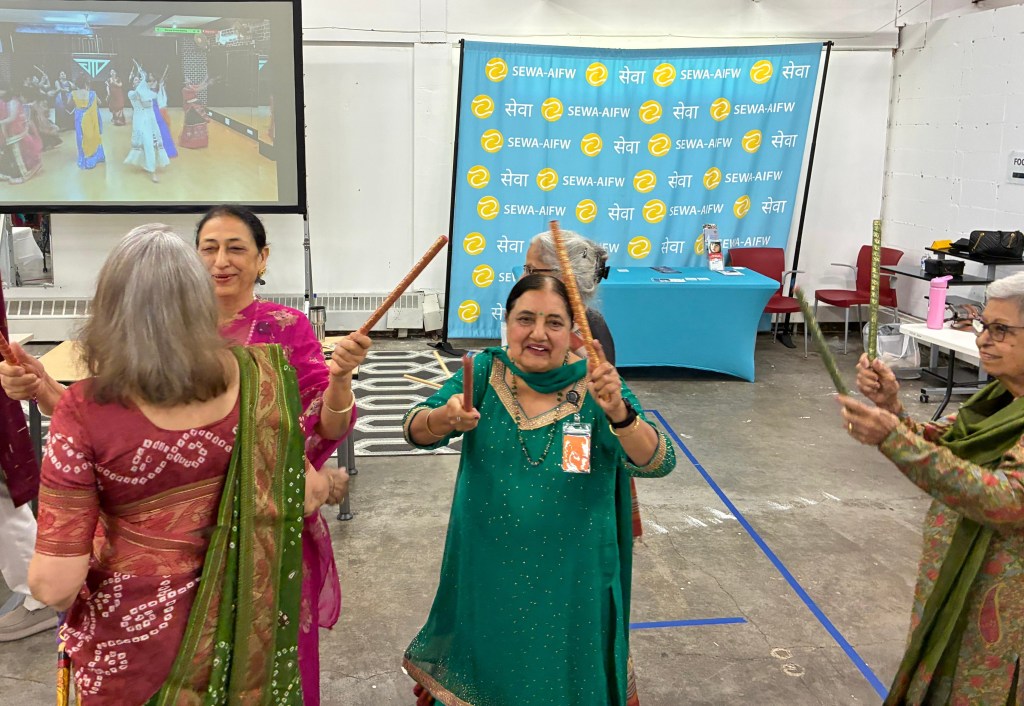
With her specialized background in Occupational Therapy, Bharati takes ongoing online education to get trained and certified in programs that will benefit the seniors, such as Tai Chi, Walk with Ease, SAIL (Stay Active and Independent for life), Dementia and Cognitive Skills, and Arthritis education. She has introduced Aerobic/Zumba exercises to Bollywood music in the form of Dandiya and Garba, weight training with dumbbells, brain gym to improve cognitive skills through hand/eye coordination exercises, and Sudoku.
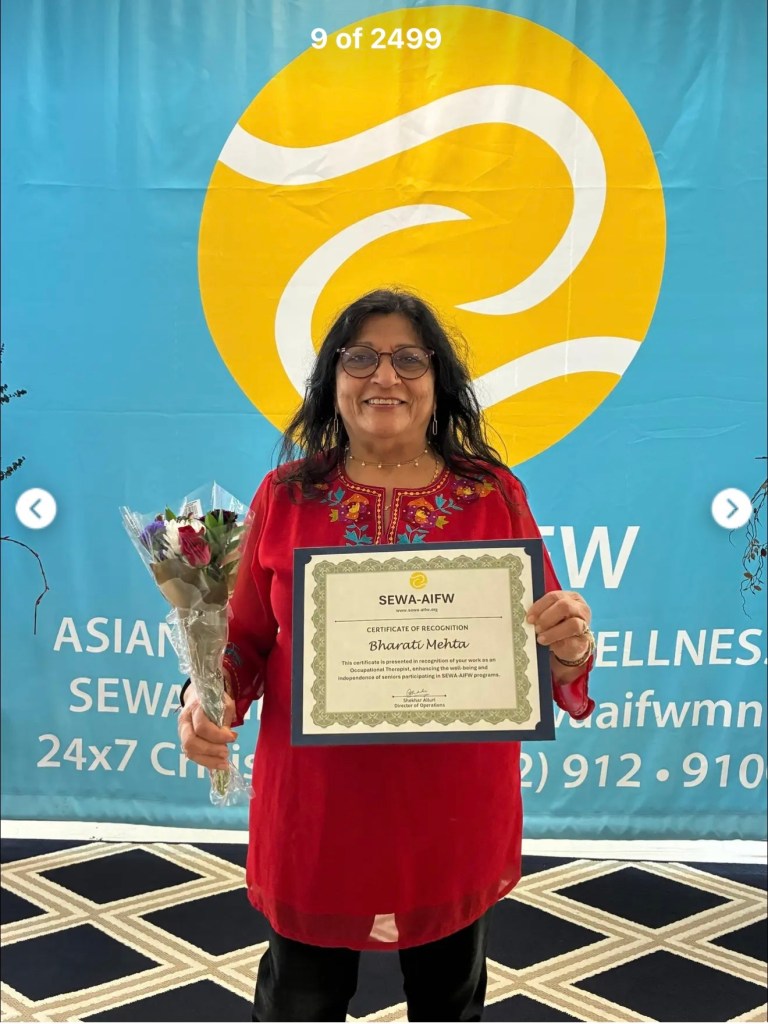
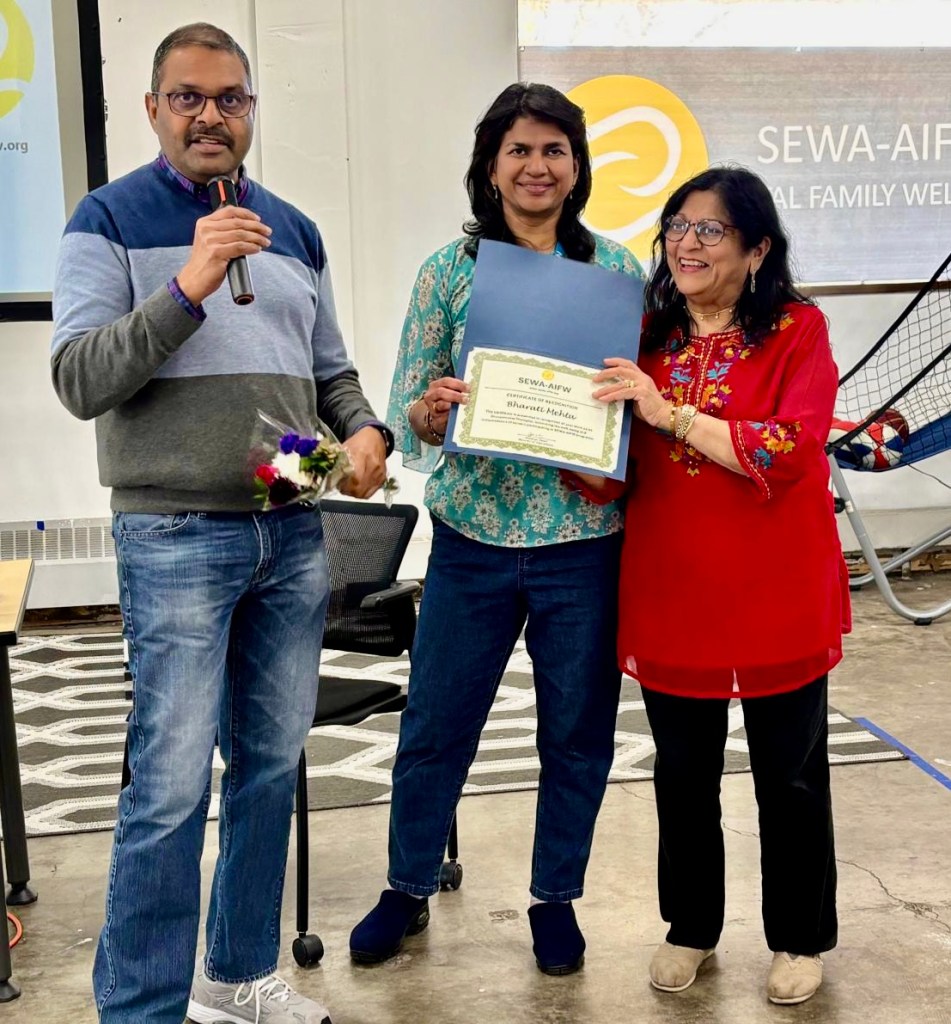
Bharati was celebrated for her dedication, compassion and the impact she makes every day during National Occupational Therapy Month, for empowering individuals, strengthening the community and changing lives.
A Unified Senior Social Experience
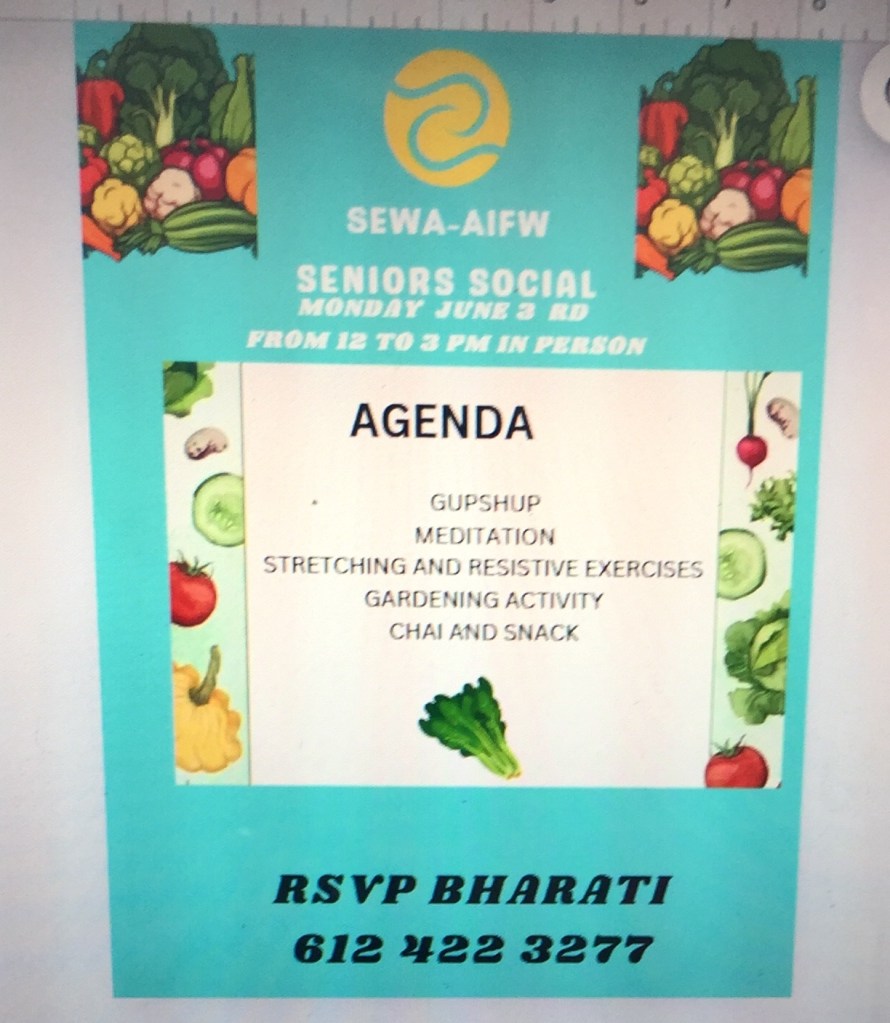
After Covid restrictions were lifted, the current schedule of an in-person program on Mondays ,and a follow up Zoom meeting on Thursday was established.
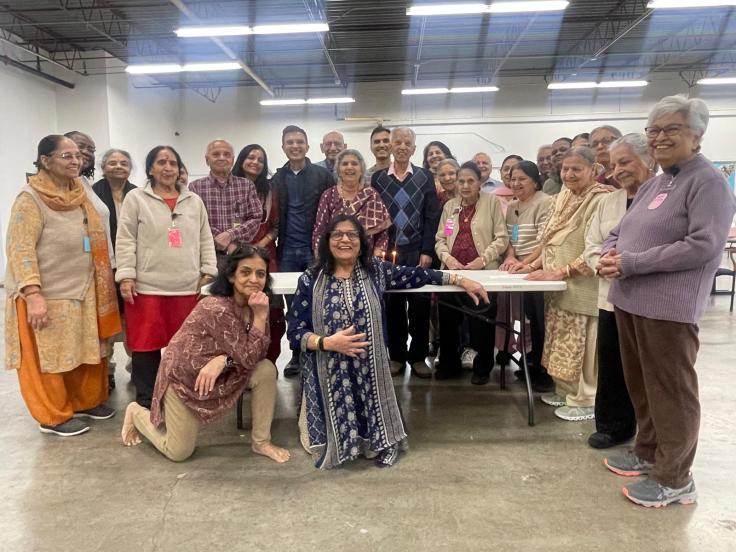
Weekly schedules are developed and shared on the ‘Young @ ❤️’ What’s App platform, and rides for up to 31 seniors are meticulously routed and managed by SEWA staff and volunteers. Formalities such as annual registration, photo release and food safety forms are managed by Srividhya Srinivasan.
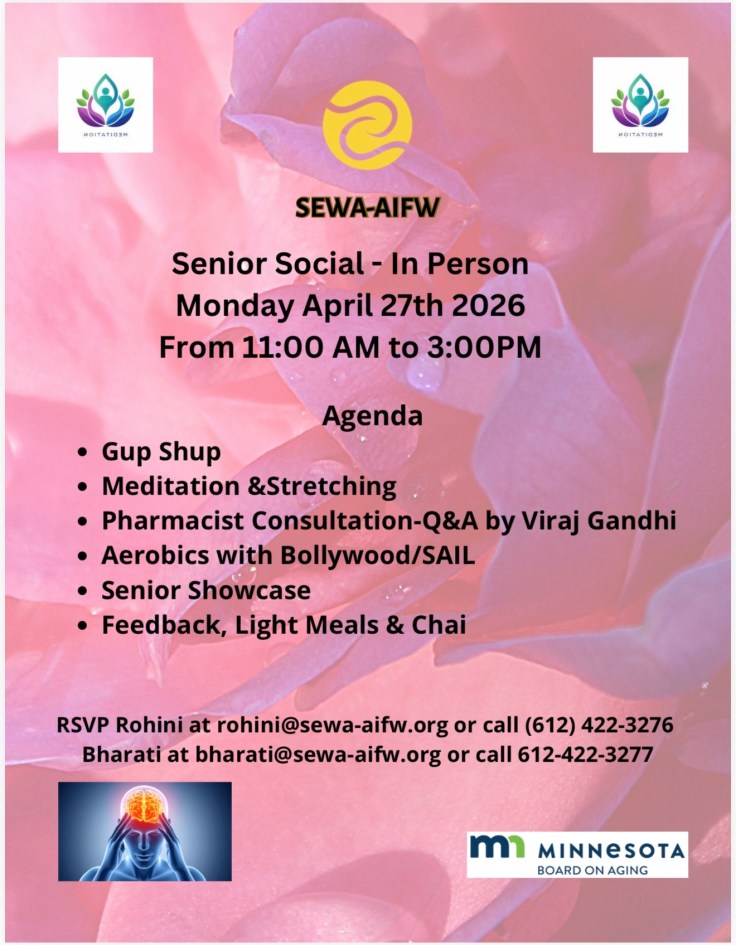
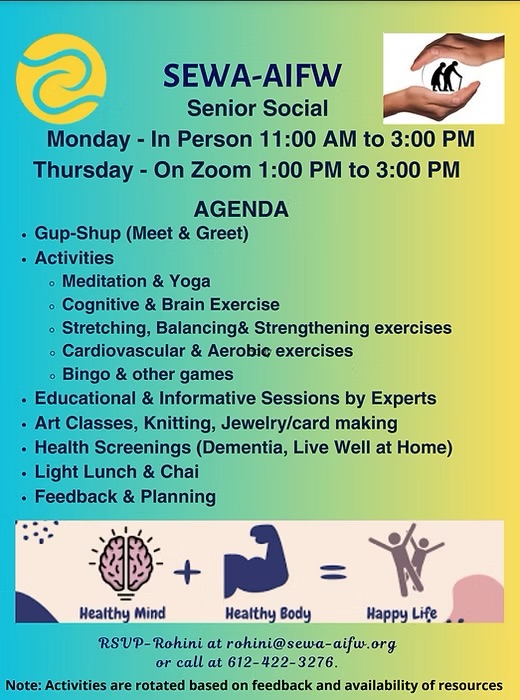
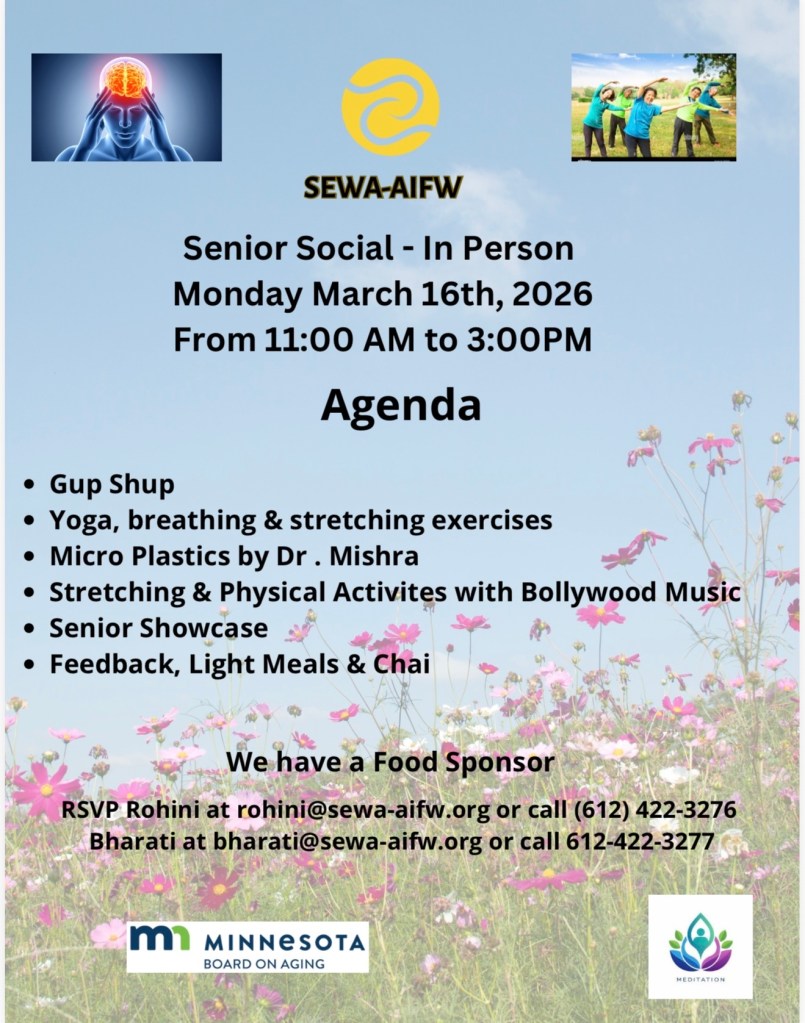
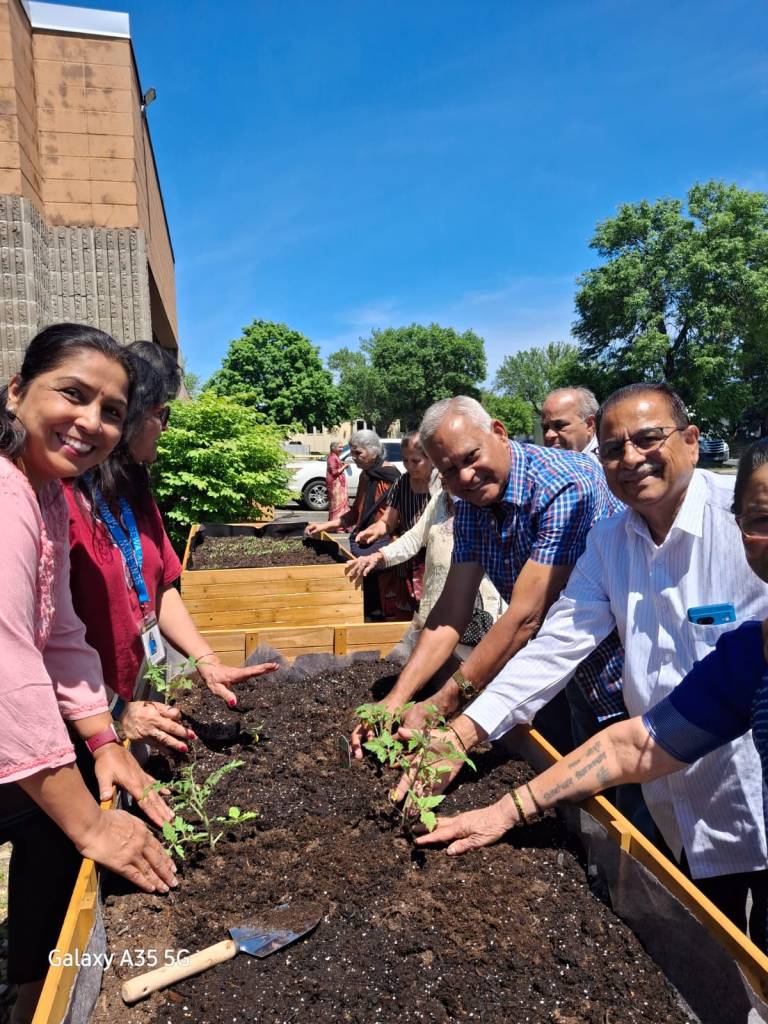
Events such as gardening, flower arrangements and dancing are very popular with the seniors.
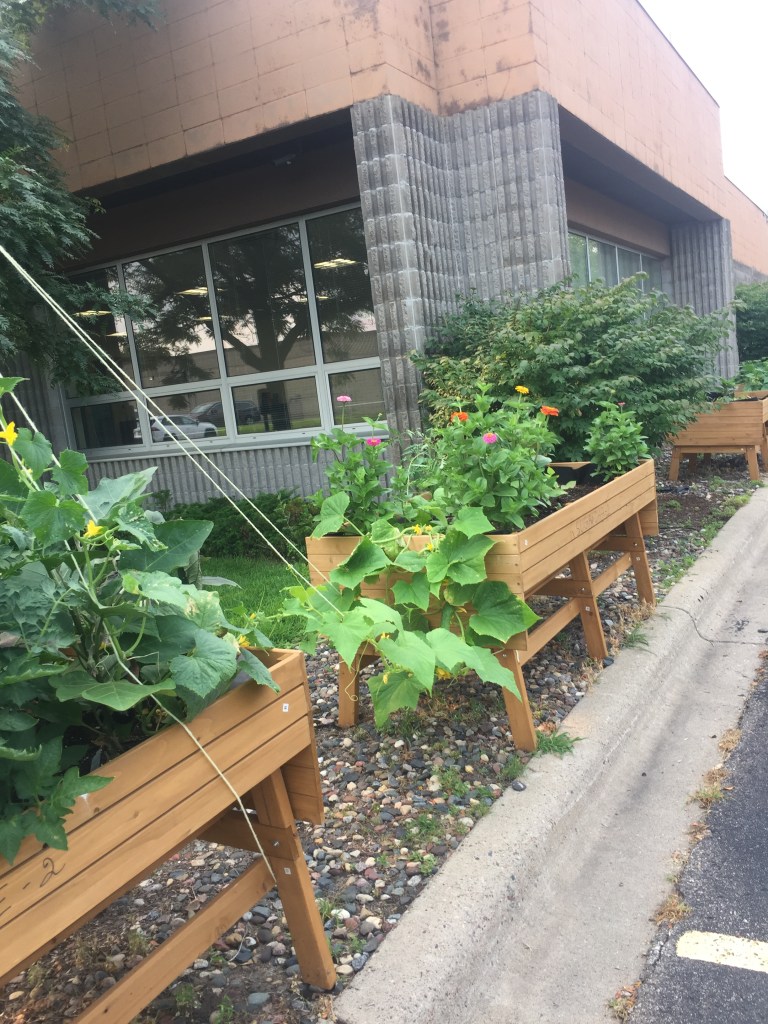
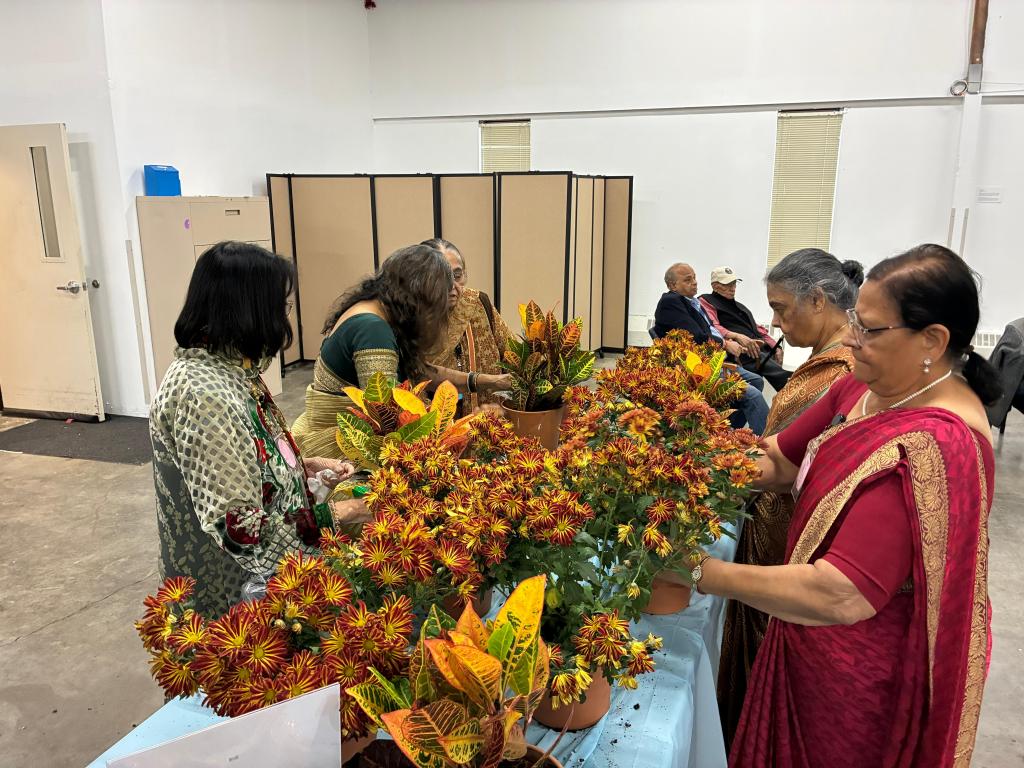
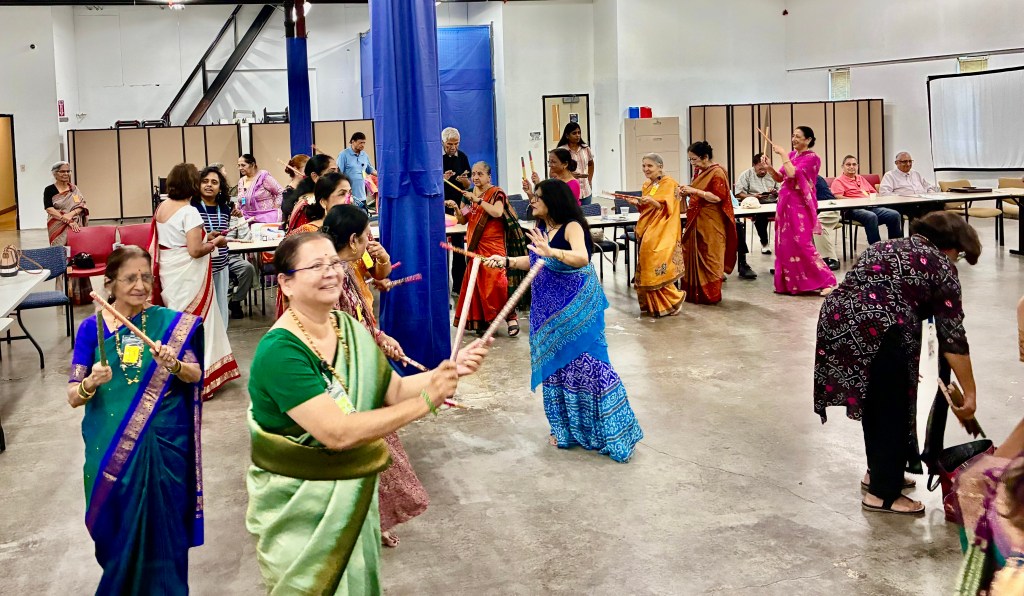
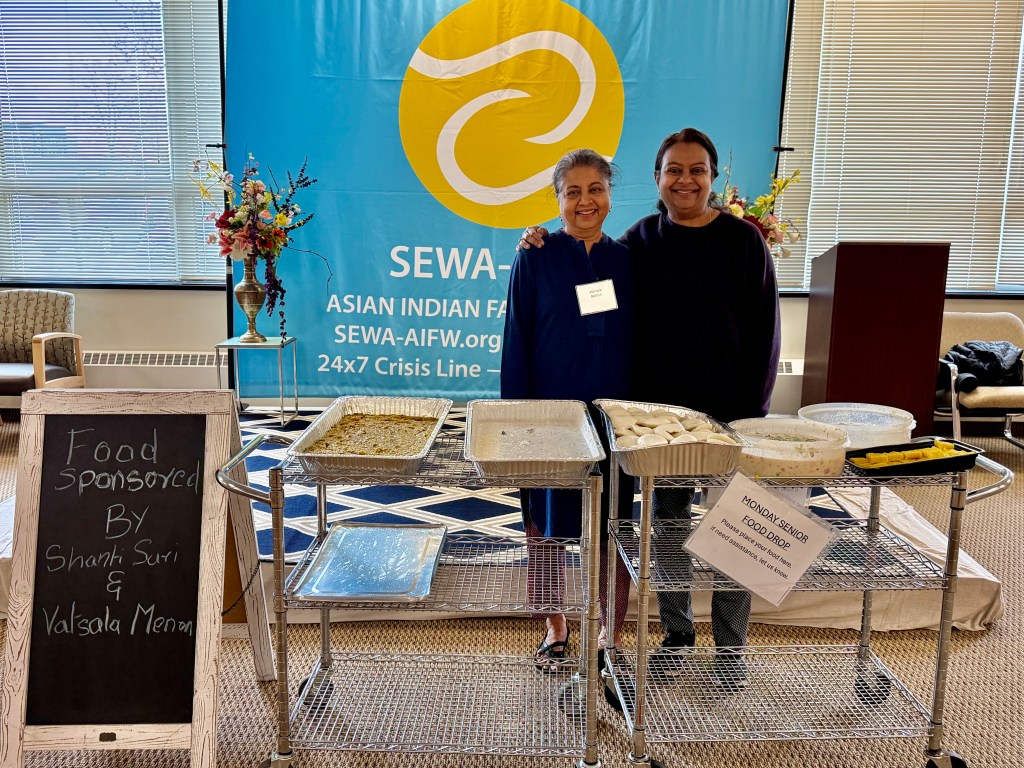
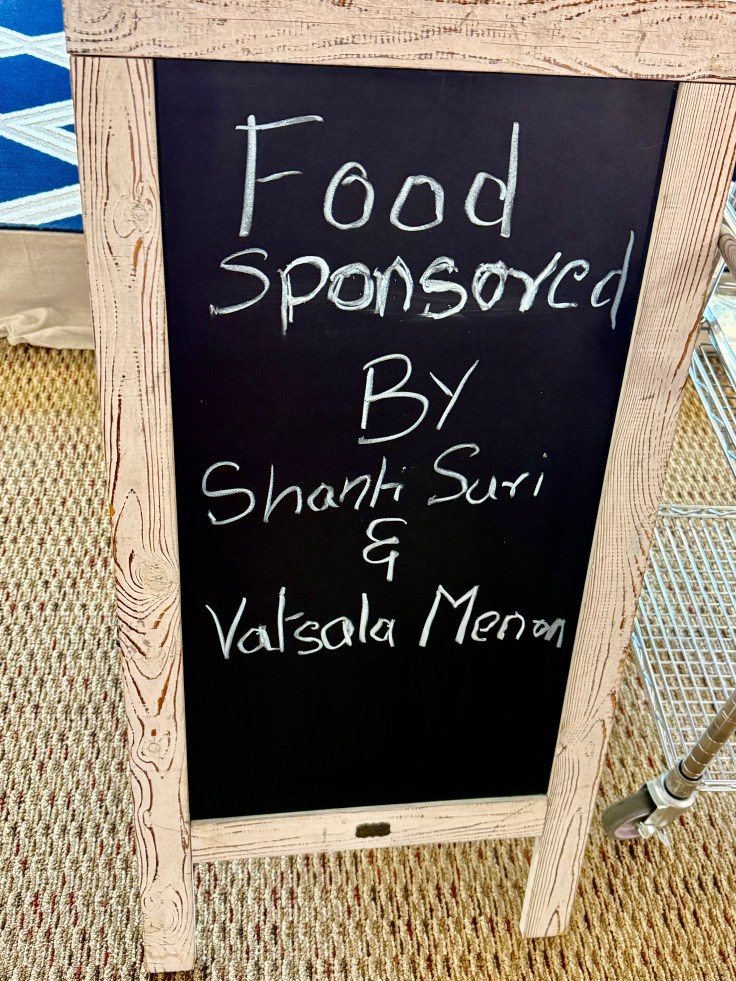
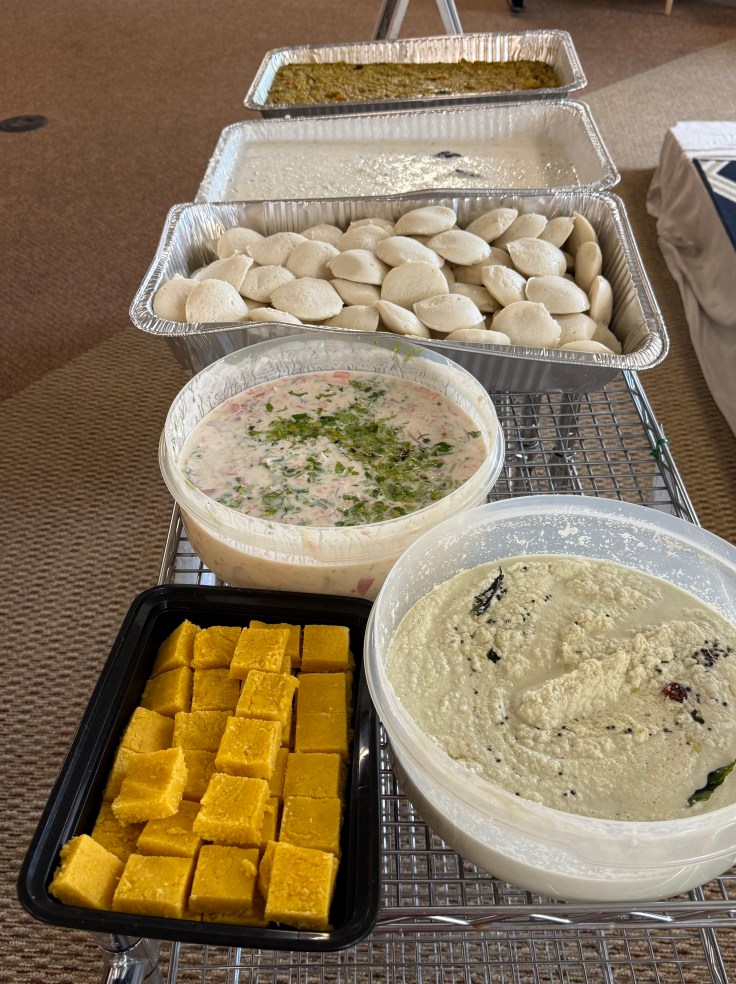
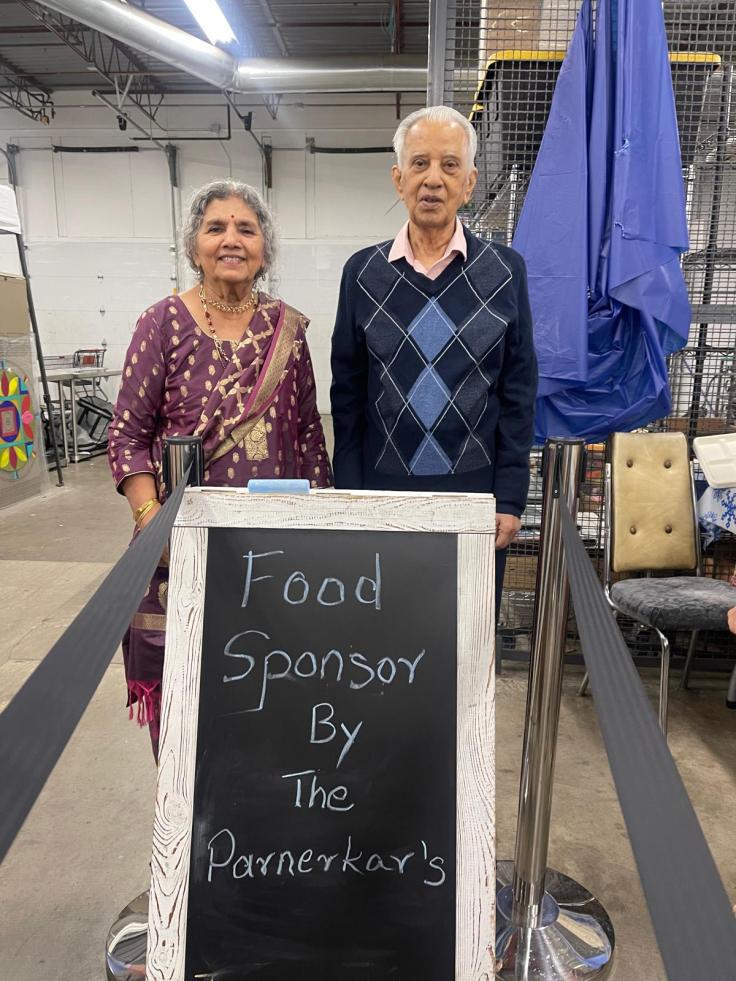
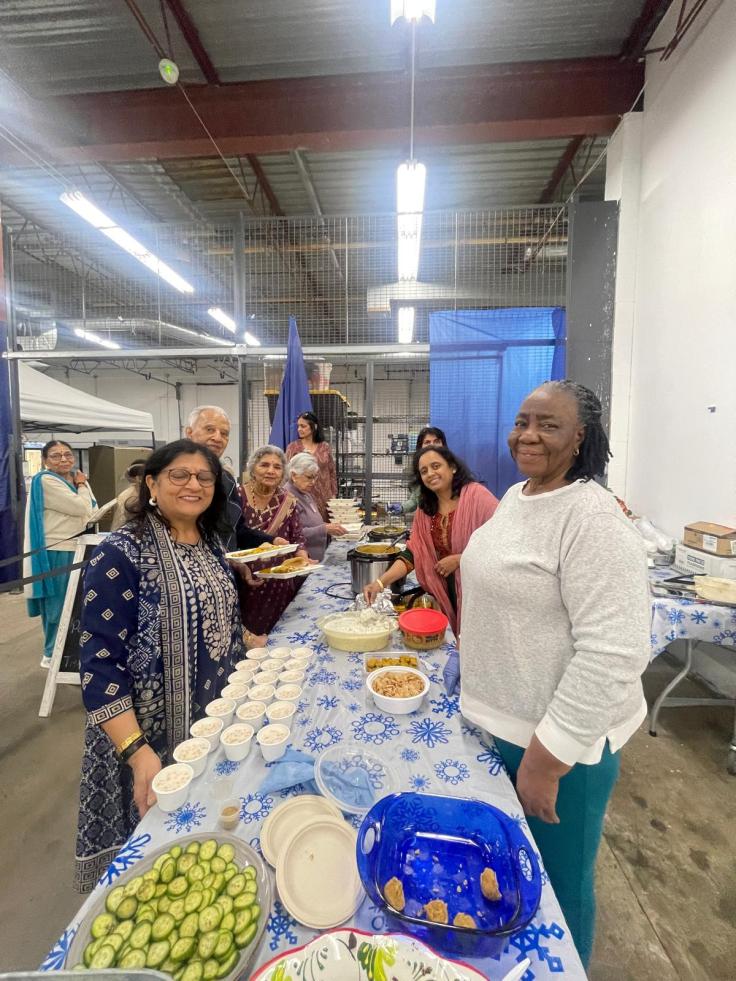
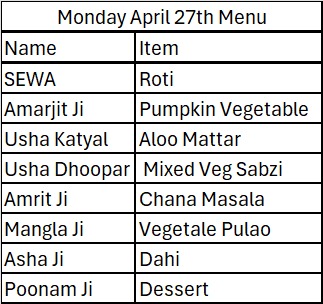
Food plays an important role in the Monday meetings. In the past, SEWA catered the food from neighboring restaurants, but funding pressures has evolved the program to a combination of the seniors bringing pot luck lunches, volunteer donors and senior’s families sponsoring meals to commemorate specific occasions such as anniversaries and birthdays.
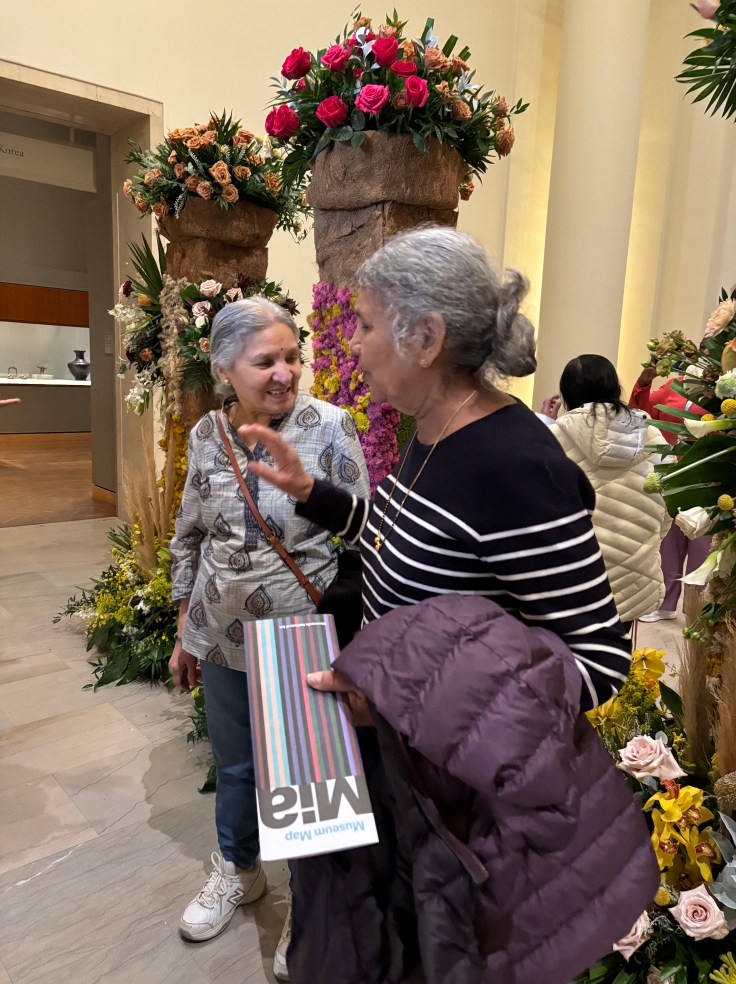
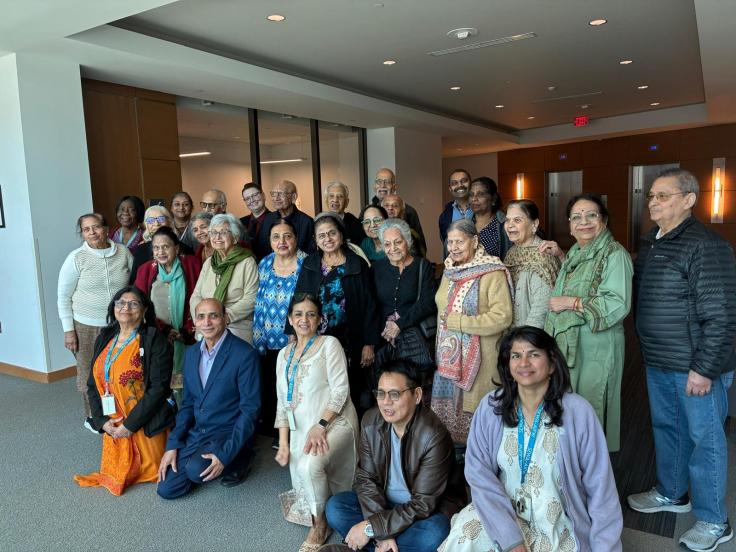
During Minnesota Spring and Summers, up to 40 seniors enjoy outdoor events that include picnics, pumpkin fest, MIA (Institute of Art) and visits to the Capitol to celebrate API Heritage Month in April. (Asian Pacific Islander).
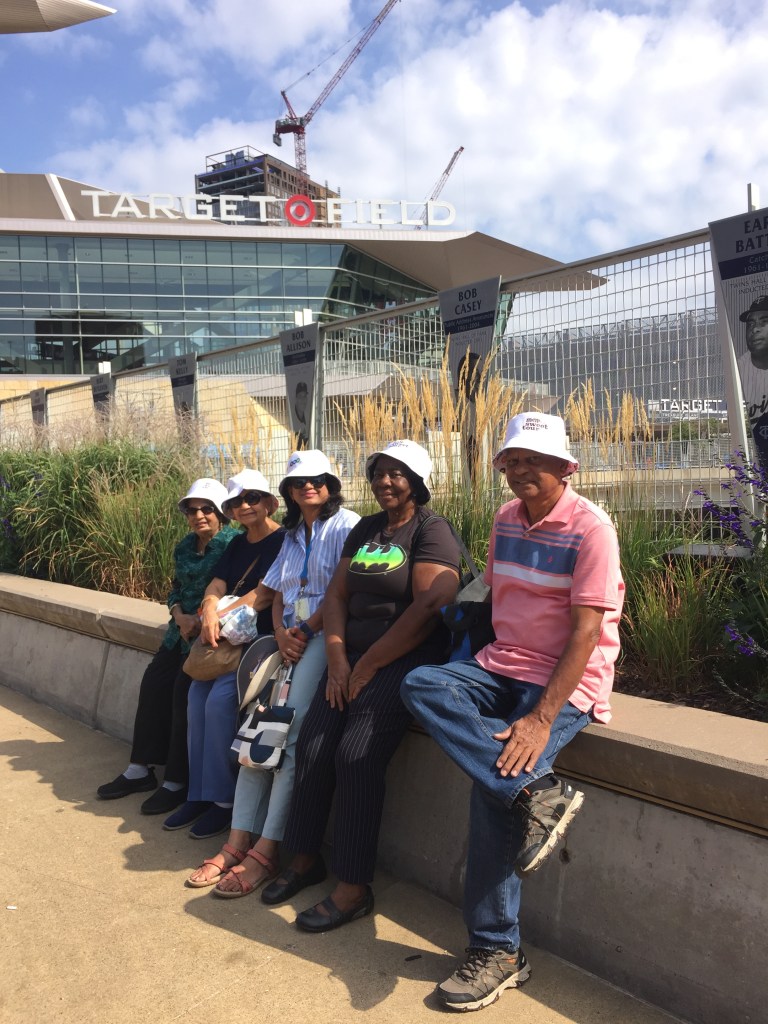
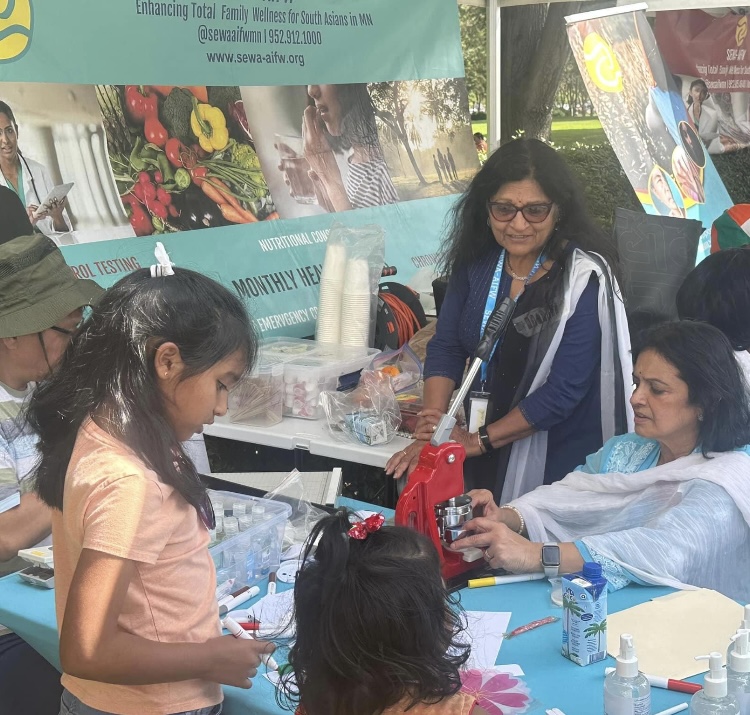
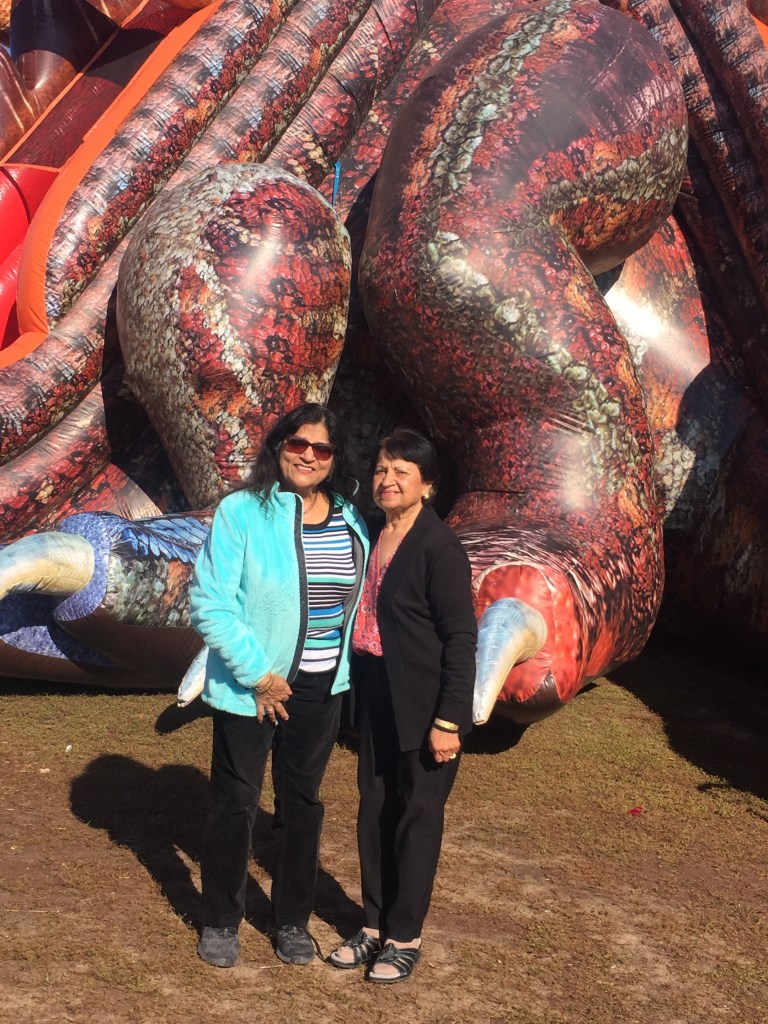
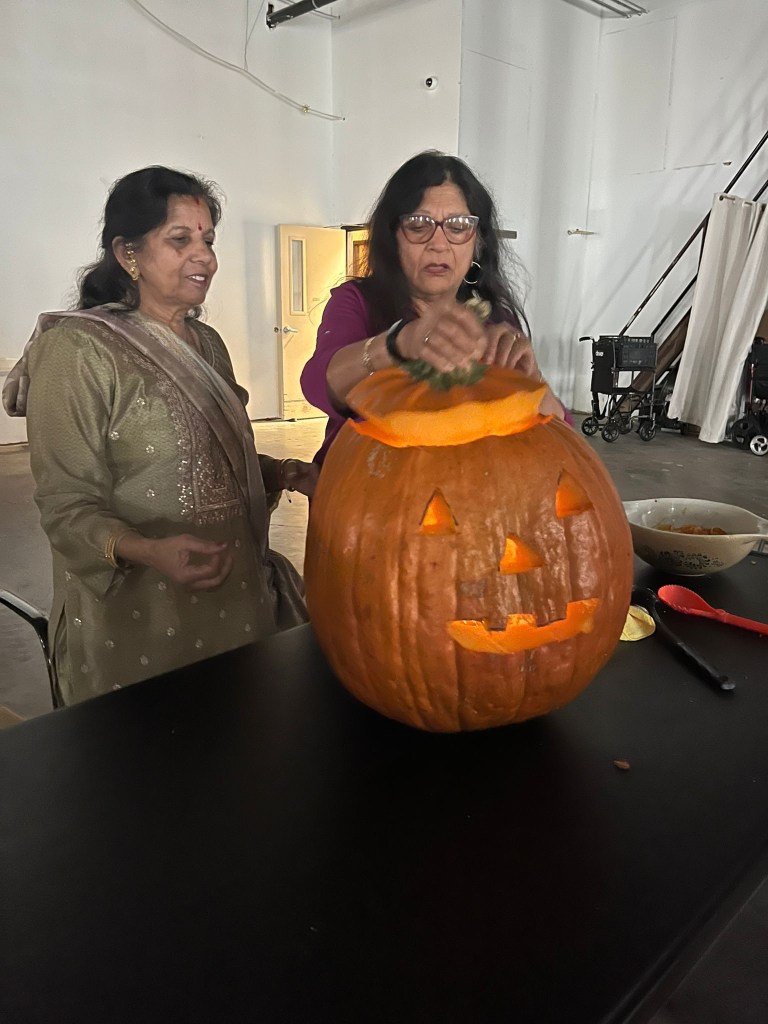
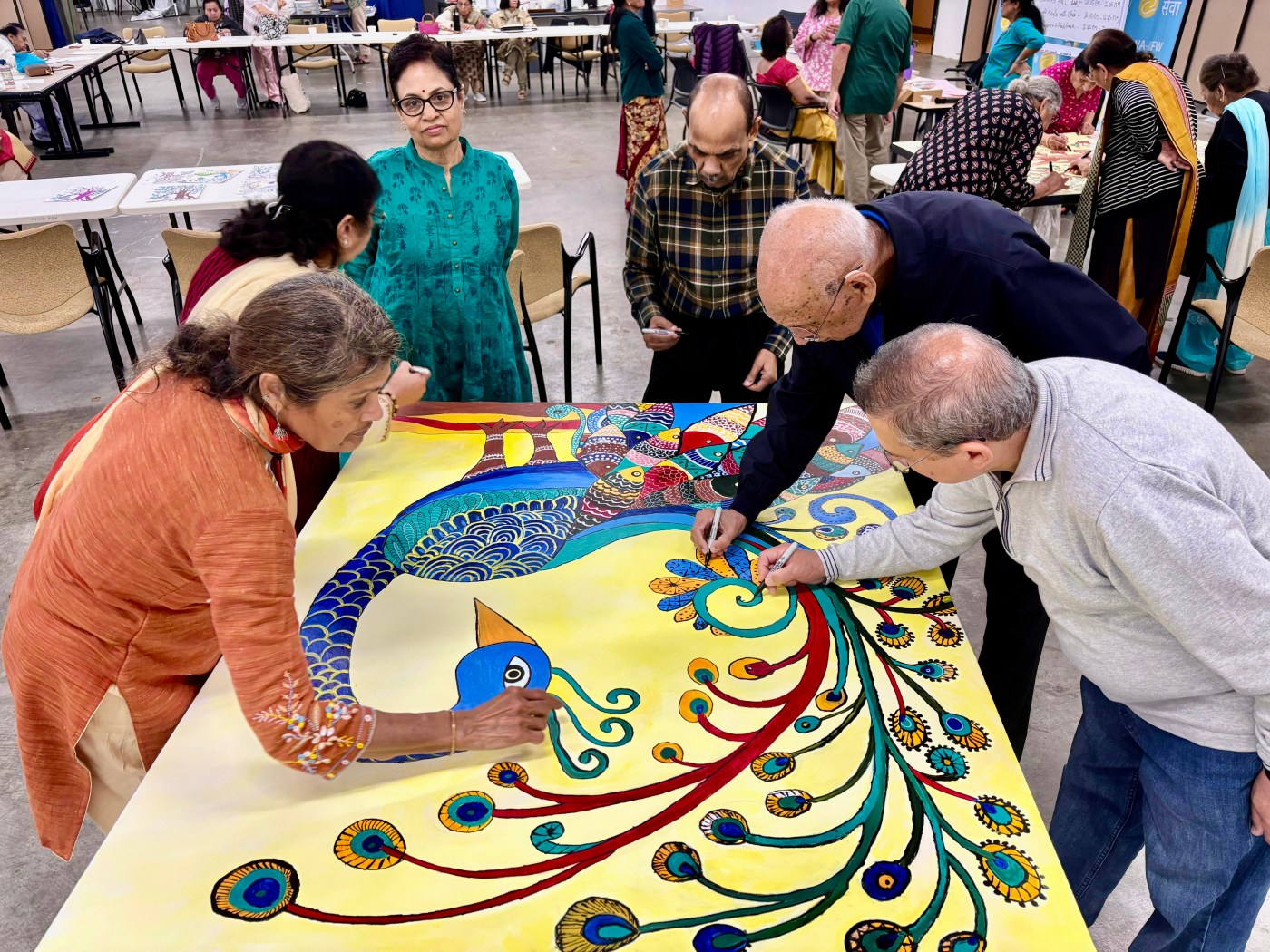
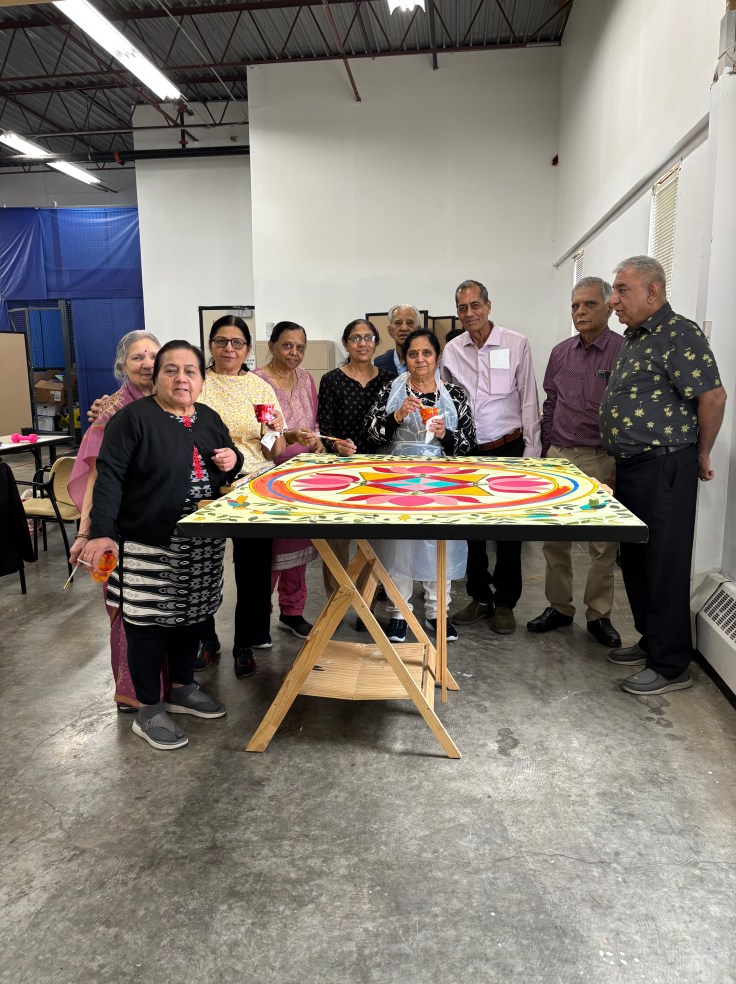
The Seniors are a talented group and explore their creative capabilities every chance they get. The following is a sampling of their creations, most of which are on display at SEWA HQ in Brooklyn Center.
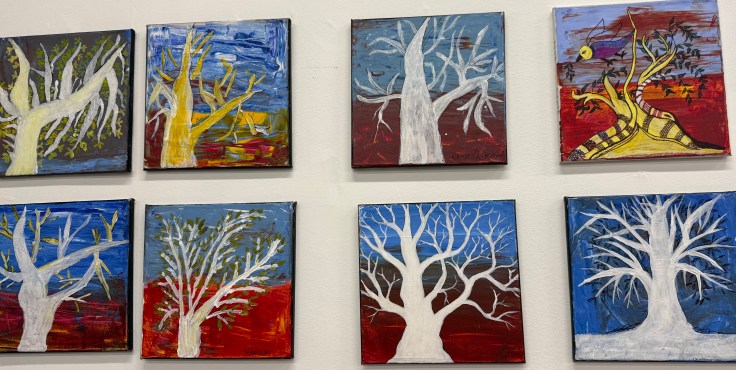
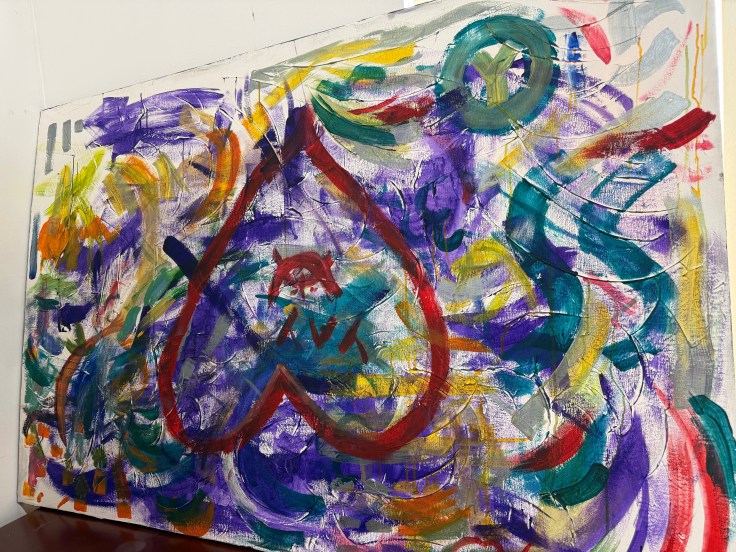
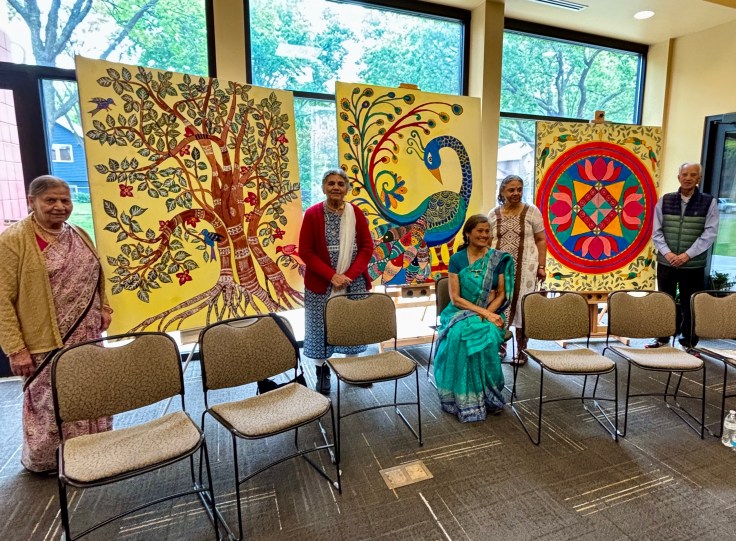
Periodically, SEWA provides the seniors with useful items such as gloves/hats and emergency kits to deal with the harsh Minnesota winters.
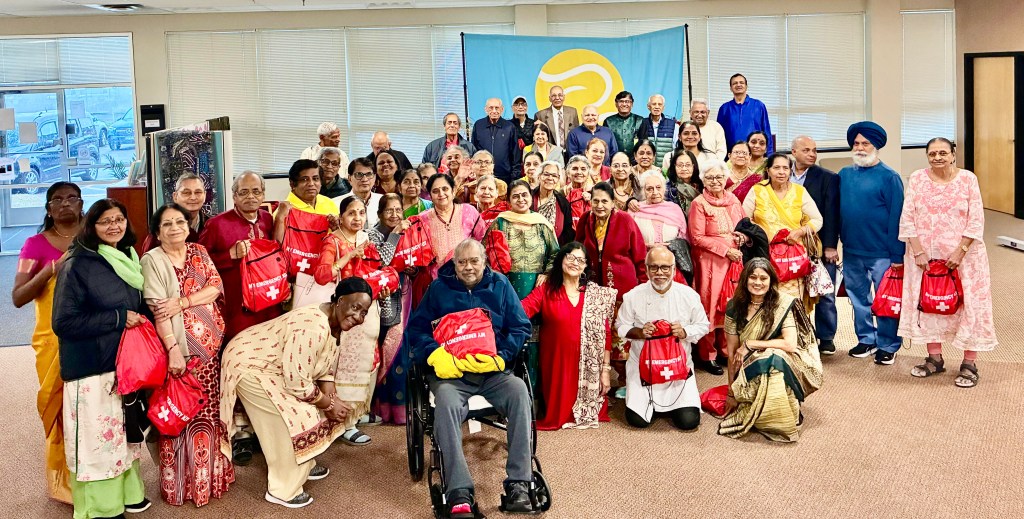
SEWA as an organization and the Senior Social program has benefited and enhanced the lives of many seniors over the years. The vision and compassion of Raj Chaudhary in 2004, and the current custodians, deserve the gratitude of the families and the community.
Onward
“We have been in this space for so long that we are getting a lot of attention in mainstream aging circles, and are invited to present on our work in MN and Nationally. We have created a very cohesive structure that gets a lot of needs met with limited resources. Something that could be replicable by other community groups; especially diverse communities that are experiencing the same cultural clashes. We are starting to get a blueprint!” Anjuli Cameron
Discussion: Please send us your thoughts, by posting a comment at the end of the blog, and/or sending an email to ‘ruby@sewa-aifw.org’.
Our Mission
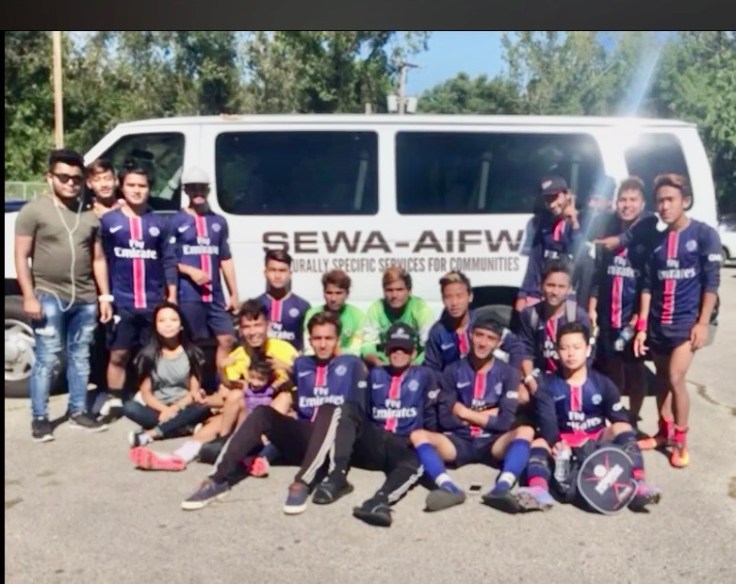
Sewa-Aifw is a nonprofit organization committed to serving, supporting, and enhancing family wellness for many communities, especially the vulnerable and underserved communities, in the Twin Cities and around Minnesota. We provide health care access, wellness information and resources, access to family violence resources and supports, and elder socialization activities
We envision a community that is healthy and violence-free, with self-determined women and engaged and supported elders and families


Leave a Reply